
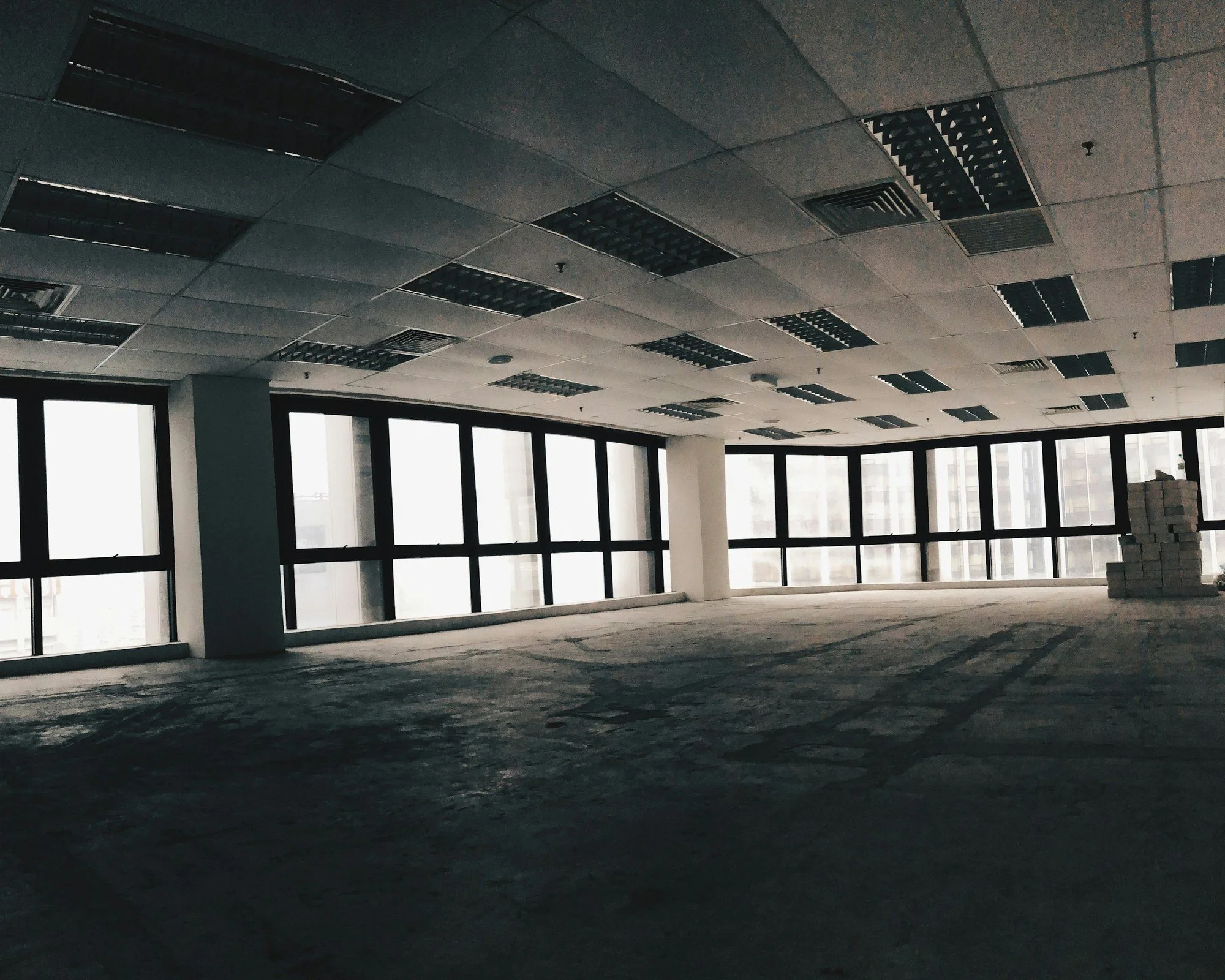
The tenant’s lease ended in August. The suite has been broom-clean since Labor Day, the broker shows it twice a week, and the next lease might be signed by January. In the meantime the space is dark. No one is there during the day, no one notices a drip or a tripped breaker, and the utilities may be trimmed back to save money.
For many Bay Area owners and property managers, that gap between tenants is when a quiet policy condition matters most.
Education only, not legal advice. What can be placed depends on the policy, the risk, and underwriting.
One problem: empty space can change how a loss is handled
Many commercial property policies include vacancy conditions. The details vary, but the idea is common: when a building, or a large enough part of it, sits empty for a set stretch of time, certain losses may be handled differently, limited, or excluded. What counts as vacant, and how long before the condition applies, depend on the policy’s wording.
Empty space also changes the risk itself:
Leaks and water damage can go unnoticed for weeks
Break-ins, vandalism and unwanted occupants are more likely in dark suites
Systems may be shut off or skipped on routine checks
Turnover work brings contractors in and out of an unattended space
A Farmers-safe answer (plain words)
At SDL Commercial Insurance (Samuel D Landers Agency, a Farmers appointment), we start with which spaces are empty, for how long, and what is happening inside them, then talk through what Farmers can usually place for that building. Here is what usually comes up:
Tell us when space goes empty. A short note when a tenant leaves is usually enough to start. Waiting until after a loss is the hard way to learn what the vacancy wording says.
What the policy says about vacancy. We read the vacancy condition with you: how vacant is defined, how long before it applies, and what changes after that. Terms depend on the policy.
How much of the building is dark. One empty suite in a ten-suite building is a different conversation from a single-tenant building with no tenant at all.
What you are doing in the meantime. Regular walk-throughs, utilities and heat kept on where it makes sense, alarms, and changed locks. None of this guarantees terms, but underwriting usually asks.
Turnover and build-out work. If a contractor is building out the suite for the next tenant, collect their certificate and tell us about the work, since construction in an empty space can raise its own questions.
None of this is a guarantee of terms. We place Farmers products only; we do not shop other carriers.
What to bring to the call
Building address, and which suites are empty and since when
Expected lease-up timing, if you know it
Which utilities and systems are on or off
Who checks the space and how often
Current property policy or renewal notice
Any planned turnover or tenant-improvement work
Bring what you have. We sort the rest on the call.
In force or not yet
Have an in-force policy we can write from? We issue the certificate from it. No policy yet? Book, bind, then certificate. A certificate is issued only after coverage is bound and in force, never ahead of it.
Next step
Book a call → https://www.sdlcommercialinsurance.com/schedule?utm_source=blog&utm_medium=organic&utm_campaign=blog_oct20
Coverage Calculator (planning only, not a quote) → https://calculator.sdlcommercialinsurance.com/
Or call (408) 876-7107
Samuel D Landers · California Insurance License #4538988 · SDL Commercial Insurance · Samuel D Landers Agency
