
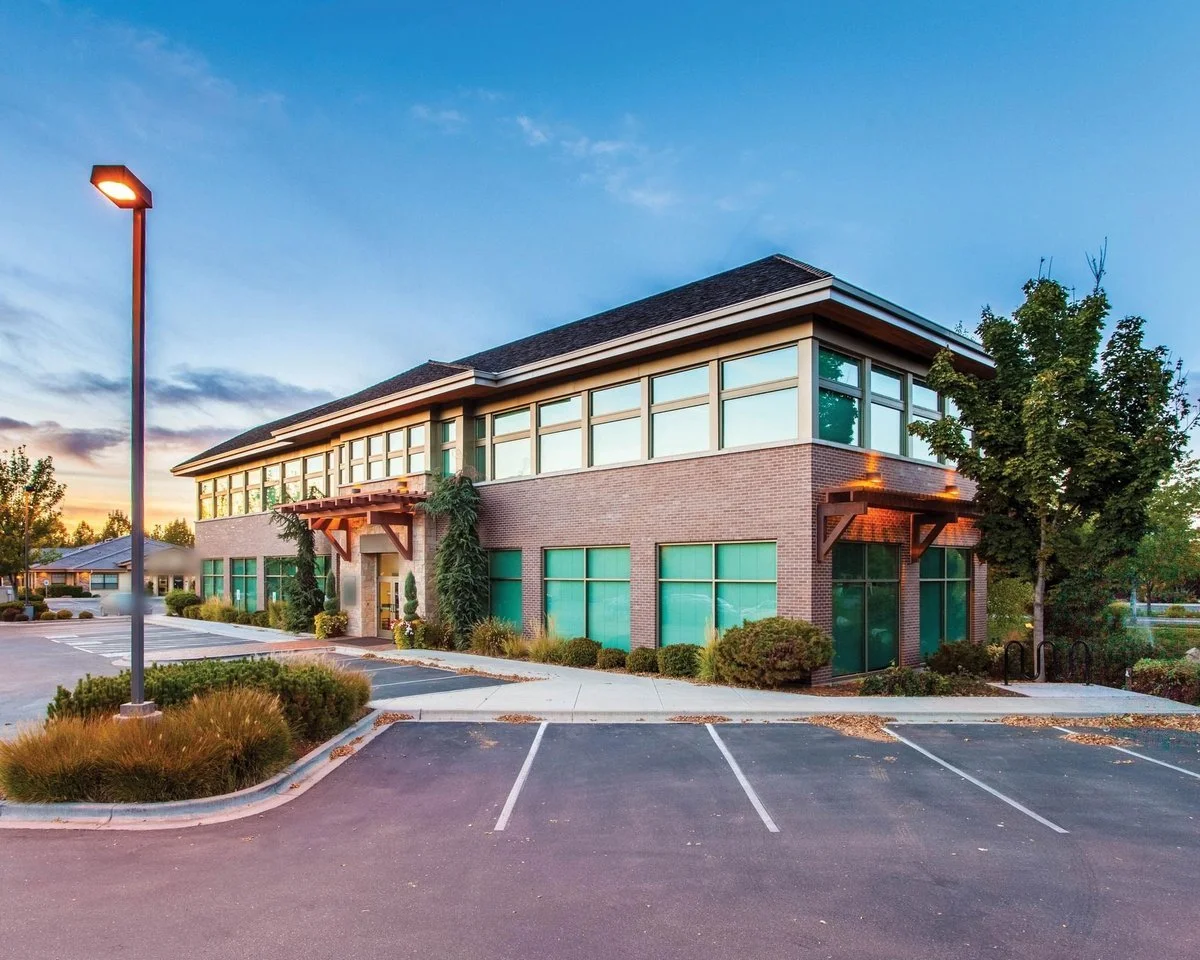
You bought the building years ago. The renewal notice shows a building limit, and most owners glance at it, see that it went up a little, and sign. The question worth one honest look is simpler than it sounds: if this building had to be rebuilt from the slab up, what would that cost today?
That number is often not the purchase price, the assessed value on the tax bill, or what the building would sell for. It is closer to labor, materials, permits and design for this size and type of building, right now.
Education only, not legal, appraisal or tax advice. What can be placed depends on the policy, the risk, and underwriting.
One problem: the limit was set years ago, and building costs did not wait
A building limit is usually set when the policy is first written and then nudged at each renewal. Meanwhile, a lot can change:
Labor and material costs move, sometimes quickly
You added a mezzanine, a new roof, tenant buildouts or a storefront upgrade
Market value and land value got mixed into the number along the way
Nobody has looked at square footage or construction type since the first application
If the limit is lower than what it would cost to rebuild, a large loss can leave a gap the owner pays. Some property policies also have a coinsurance or similar condition that can reduce what is paid when the limit falls below a set share of the building's value. Whether your policy has one, and how it works, depends on the policy. Code-upgrade costs are a separate question on top of the rebuild number; we covered them in older building, newer codes.
A Farmers-safe answer (plain words)
At SDL Commercial Insurance (Samuel D Landers Agency, a Farmers appointment), we start with the building itself, then talk through what Farmers can usually place for it. Here is what usually comes up at renewal:
The building as it stands today. Square footage, stories, construction type, roof type and year built, plus any additions or major updates since the policy was written.
How the building is valued on the policy. We look at your current policy with you: whether the building is written on a replacement cost or actual cash value basis, and whether a coinsurance or similar condition applies. We do not assume either way.
A rebuild number to start from. The Coverage Calculator's "Building cost to rebuild" field is a planning starting point. It is planning only, not a quote, a binder, an appraisal, or a rate.
Outside numbers, if you have them. A recent appraisal for insurance purposes or a contractor's rough per-square-foot estimate for your building type helps. Those professionals set the estimate; we bring it into the insurance conversation.
Who else is in the picture. Lenders and some leases set their own property insurance requirements. Bring those pages so the conversation lines up with what they ask for.
None of this is a guarantee of terms. Availability, limits, exclusions and conditions apply. We place Farmers products only; we do not shop other carriers.
What to bring to the call
Building address, square footage, stories and construction type
Year built and years of major updates or additions
Current property policy or renewal notice
Any recent appraisal or contractor estimate
Lender or lease insurance requirements, if any
Planning numbers from the Coverage Calculator, if you ran it
Bring what you have. We sort the rest on the call.
In force or not yet
Have an in-force policy we can write from? We issue the certificate from it. No policy yet? Book, bind, then certificate. A certificate is issued only after coverage is bound and in force, never ahead of it.
Next step
Coverage Calculator (planning only, not a quote) → https://calculator.sdlcommercialinsurance.com/
Book a call → https://www.sdlcommercialinsurance.com/schedule?utm_source=blog&utm_medium=organic&utm_campaign=blog_oct26
Or call (408) 876-7107
Samuel D Landers · California Insurance License #4538988 · SDL Commercial Insurance · Samuel D Landers Agency
