
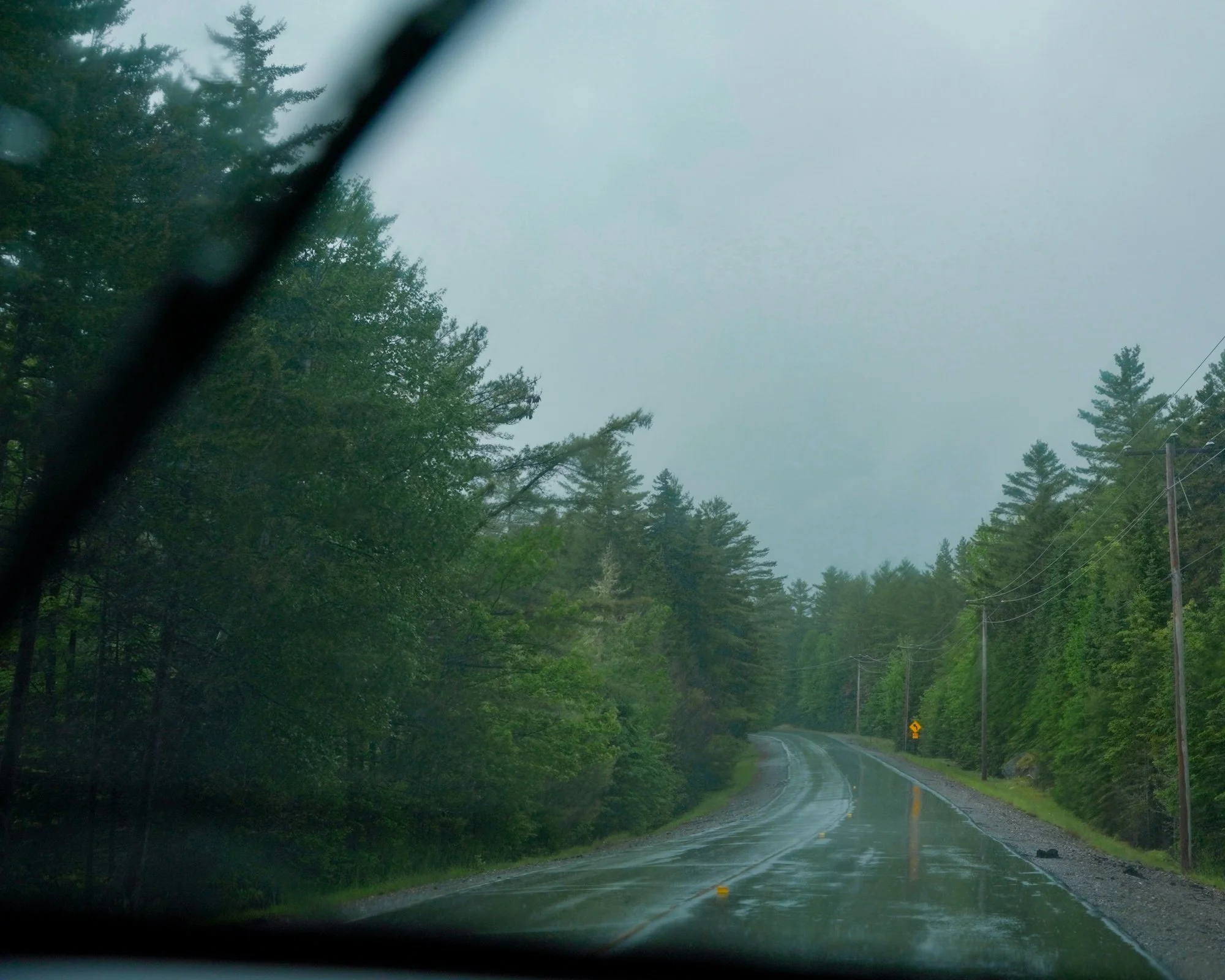
The first real rain of the season usually catches someone off guard. Roads that have been dry since spring turn slick with oil, wipers that cracked over the summer smear more than they clear, and a van that felt fine in July is suddenly working with thin tires and a full load.
For California contractors and service businesses with company vans and trucks, the weeks before that first storm are a good time to put simple driver rules in writing.
Education only, not legal advice. What can be placed depends on the policy, the risk, and underwriting.
One problem: nobody wrote down who drives and how
Many small fleets run on habit. The owner knows who usually takes which van, everyone knows not to text while driving, and take-home use was agreed to in the yard years ago. Then something happens, and nobody can say what the rules actually were.
A new hire drives a van before anyone tells the agent
Phone use, take-home use and after-hours errands vary by driver
Tires and wipers get checked when someone remembers
No one is sure who to call first after an incident
A Farmers-safe answer (plain words)
At SDL Commercial Insurance (Samuel D Landers Agency, a Farmers appointment), we start with who drives your vehicles and how they are used, then talk through what Farmers can usually place for that risk. Here is what usually comes up:
Who may drive. A written list of approved drivers, and a rule that nobody new drives until they are added. Keep that list current with us. Who drives is a big part of how a commercial auto risk is viewed, depending on the policy.
Phones down. A short written rule on phone use behind the wheel, including calls on the way to jobs.
Pre-trip checks before the rain. Tires, wipers, lights and brakes, with a simple checklist in each vehicle. Ladder racks and heavy loads make wet-road stopping distance matter more.
Take-home and after-hours use. Who can take a vehicle home, and whether personal errands are allowed. Write down what you already allow so every driver hears the same thing.
How to report an incident. Who to call first and how fast. We walked through what to gather at the scene in what to gather after a company vehicle accident.
Written rules do not promise a lower rate or different terms. They make expectations clear for your drivers, and they make the conversation with underwriting easier. None of this is a guarantee of terms. We place Farmers products only; we do not shop other carriers.
What to bring to the call
Business name and entity type
Vehicle list (year, make, model) and where each one is garaged
Driver list, with who drives which vehicle most
Any written driver rules you already have, even one page
How take-home and after-hours use works today
Current commercial auto policy or renewal notice
Bring what you have. We sort the rest on the call.
In force or not yet
Have an in-force policy we can write from? We issue the certificate from it. No policy yet? Book, bind, then certificate. A certificate is issued only after coverage is bound and in force, never ahead of it.
Next step
Book a call → https://www.sdlcommercialinsurance.com/schedule?utm_source=blog&utm_medium=organic&utm_campaign=blog_oct22
Or call (408) 876-7107
Samuel D Landers · California Insurance License #4538988 · SDL Commercial Insurance · Samuel D Landers Agency
