
It is 3:40 on a Friday. Your tech is backing the company van out of a tight driveway on a service call, and there is a crunch. Nobody seems hurt, the other driver is rattled, and your tech calls the office asking what to do next.
Most California contractors and service businesses never plan for that call. It usually goes better when the crew already knows the basics before anything happens.
Readiness education only, not claims, legal, or safety-training advice. Your policy's own reporting instructions come first.
One problem: the details fade fast
Right after a minor collision, people are shaken, traffic is moving, and the next job is waiting. Details that feel obvious in the moment, like the exact time, which way the other car was headed, or who was riding along, are often hard to pin down a day later. When a report comes in with gaps, the follow-up usually takes longer for everyone.
A Farmers-safe answer (plain words)
At SDL Commercial Insurance (Samuel D Landers Agency, a Farmers appointment), we treat this as a short readiness habit for your crew, not a script. Here is the order we usually suggest they keep in mind:
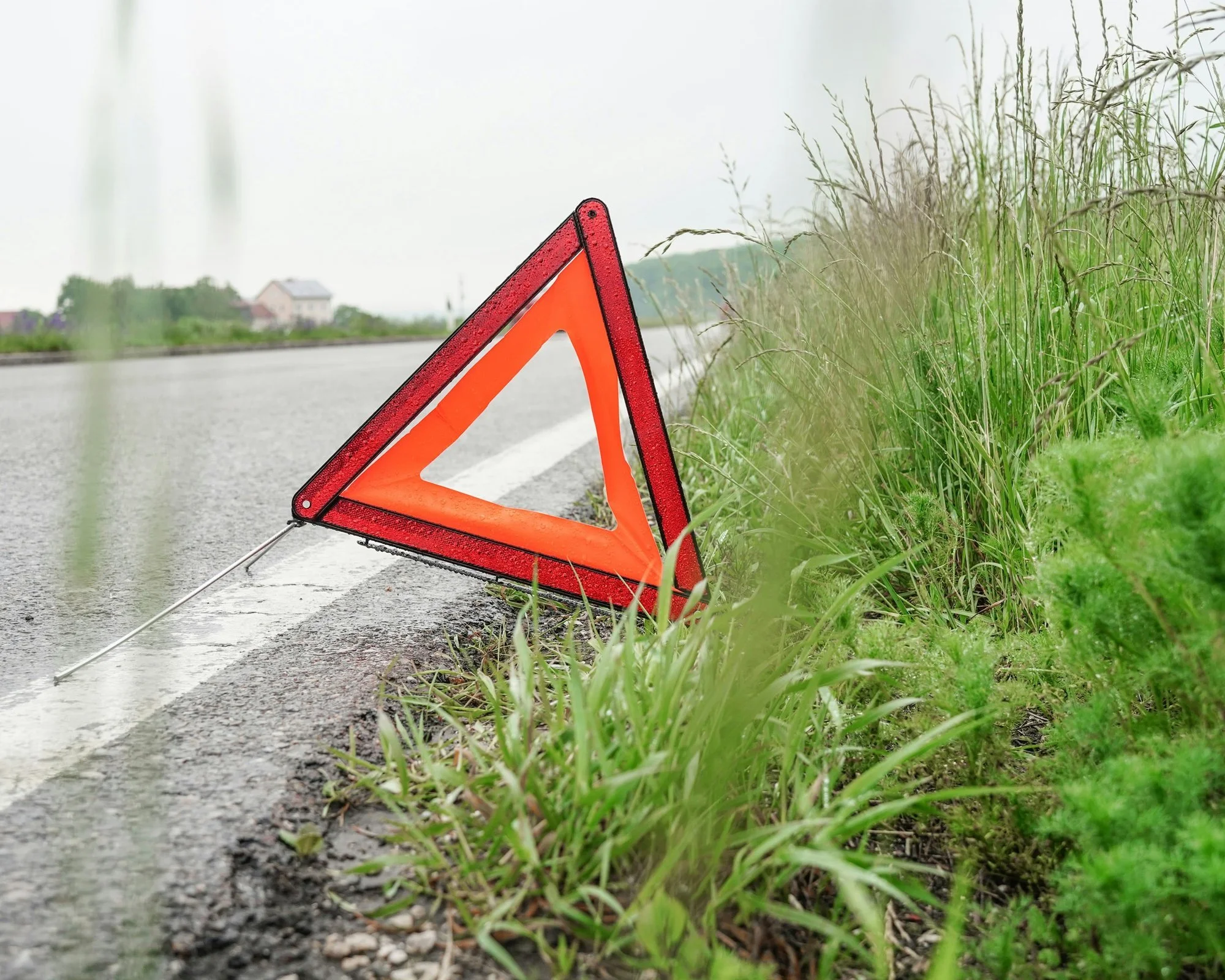
Safety first. Check on people. If anyone may be hurt, or the scene is not safe, call 911 and follow the instructions of police or emergency responders. If it is safe to do so, turn on the hazards and set out warning triangles or cones if the van carries them.
Exchange information. Share your driver's name, driver's license, registration, and proof of insurance, and get the same from the other driver, along with their contact details, insurance company and policy number, and each vehicle's year, make, model, and plate. Contact details for any witnesses willing to share them. A police report number, if one is taken, is worth writing down.
Photos, if it is safe to take them. Wide shots of the scene first, then each vehicle from several angles, any visible damage, nearby signs or signals, and the road, weather, and lighting.
Driver and job details. Who was driving, who else was in the van, where they were headed, and which job or work order the trip was for.
Report promptly, the way your policy says. A commercial auto policy usually spells out how and when an accident should be reported. Follow those instructions. You can also call us, and we can help you find the right contact.
None of this is a promise about how a claim will be handled or how it will turn out. That depends on the policy, the facts, and the claims process. We place Farmers products only.
California also has its own collision reporting rules, separate from your insurance. For example, the DMV requires an SR-1 report for some collisions. We do not give legal advice on those, so check the California DMV's guidance or ask your attorney.
A glovebox checklist
Build it once and keep a copy in every company vehicle:
Current registration and proof of insurance for that vehicle
The policy's accident-reporting instructions or phone number
Our number: (408) 876-7107
A short note template: date, time, location, other driver, witnesses, photos taken, job or work order
Warning triangles or cones, if you carry them
Who to call at the office, and in what order
Before anything happens
A short review call is a good time to confirm that your vehicle schedule and driver list are current and that your crew knows where the reporting instructions live. If employees sometimes drive their own cars for work, that is a separate question; we covered it in crew personal cars and hired / non-owned auto. Terms depend on the policy and the risk.
Next step
Book a call → https://www.sdlcommercialinsurance.com/schedule?utm_source=blog&utm_medium=organic&utm_campaign=blog_oct16
Or call (408) 876-7107
Samuel D Landers · California Insurance License #4538988 · SDL Commercial Insurance · Samuel D Landers Agency
