
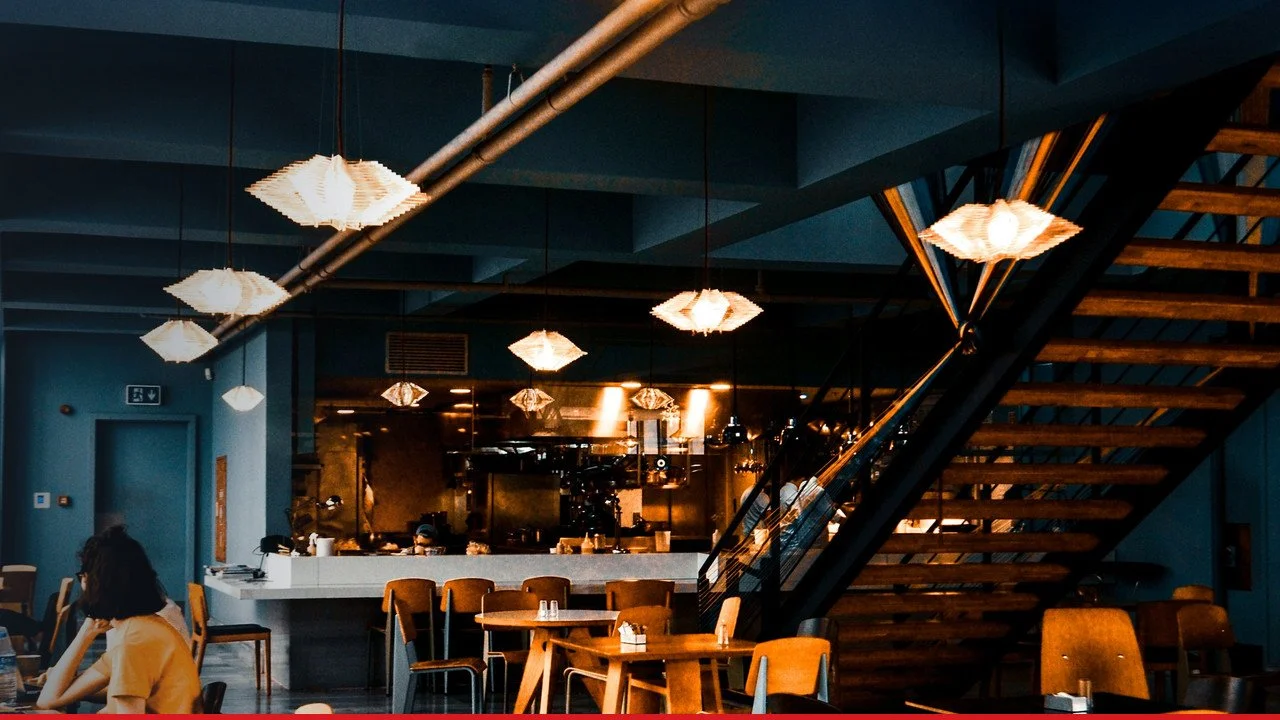
A guest slips near the front counter. Or a walk-in cooler goes down overnight and a weekend of product is gone. Or the landlord’s packet wants a certificate before you hang the new menu board.
For a lot of California food & beverage operators — restaurants, cafes, bakeries, and small kitchens — that is the first time “commercial coverage” stops meaning “we have something on the shelf” and starts meaning “which conversation do we have first: the kitchen line, or the storefront?”
One problem, two rooms
The kitchen line is where heat, grease, coolers, prep, and equipment live. Claims and questions that usually land here include spoilage after equipment failure, grease-related damage conversations, and business personal property for ovens, mixers, and cold storage.
The storefront is where guests walk in, sit, and pay. Questions that usually land here include premises liability if someone is hurt on the floor, product-style conversations when food leaves the kitchen, liquor liability when alcohol is served, and the landlord certificate request that names the property manager.
Same business. Different rooms. Different paperwork people ask for. The mistake is treating them as one vague “restaurant policy” stamp.
A Farmers-safe answer (plain words)
At SDL Commercial Insurance (Samuel D Landers Agency — Farmers appointment), we talk through what usually belongs on a Farmers businessowners or commercial package path for your operation — not a generic checklist copied from a blog.
What usually shows up in the first F&B coverage conversation:
Premises / general liability — guest injury and third-party property damage tied to how the public uses the space.
• Business personal property / equipment — coolers, ranges, POS, furniture, and tenant improvements the lease pushes back to you.
• Business interruption / spoilage conversations — when equipment failure or a covered cause of loss can interrupt sales (availability and wording depend on the policy and the risk).
• What the lease / landlord packet actually asks for — limits, additional insured, waiver / primary wording when the policy allows it.
• What is already in force — a certificate of insurance is evidence of coverage that is already in place (or on a clear bind path). No in-force (or bindable) path? We do not fake a COI line.
Same rule as every other lane at SDL Commercial Insurance:
• Have an in-force policy we can write from? We issue the certificate from it.
• No policy yet? Book first, get a bindable path, certificate after.
We say what Farmers can place for your risk. We do not invent lease-appendix hope. Not every kitchen or storefront risk is available the same way; restrictions, exclusions, limits, and conditions apply.
Kitchen vs storefront is a sequencing question
If the cooler failed last night, start with property / spoilage / interruption questions and what declarations you already have. If the landlord wants a certificate before Friday, start with the lease exhibit and whether a bindable liability path exists. If both are loud at once, bring both packets to the Book call — we sort which conversation moves first.
Coverage Calculator on the site is a planning tool — it helps you think through limits and lanes. It is not a quote, a binder, or a rate.
What to bring to the Book call
• The lease insurance exhibit or landlord COI instructions (if any).
• A short note on seating, alcohol service, delivery / catering, and key equipment (coolers, fryers, ovens).
• Any current BOP, package, or liability declarations (if you have them).
• Prior certificates (so we see what was listed before).
Next step this week
Coverage Calculator (planning only): https://calculator.sdlcommercialinsurance.com/
Call: (408) 876-7107
Samuel D Landers · California Insurance License #4538988
SDL Commercial Insurance · Samuel D Landers Agency · Farmers Insurance agent
Farmers-only agency. Not all coverages or food & beverage risks are available for every risk. Restrictions, exclusions, limits, and conditions apply. This post is general information, not a policy or guarantee of placement.
