
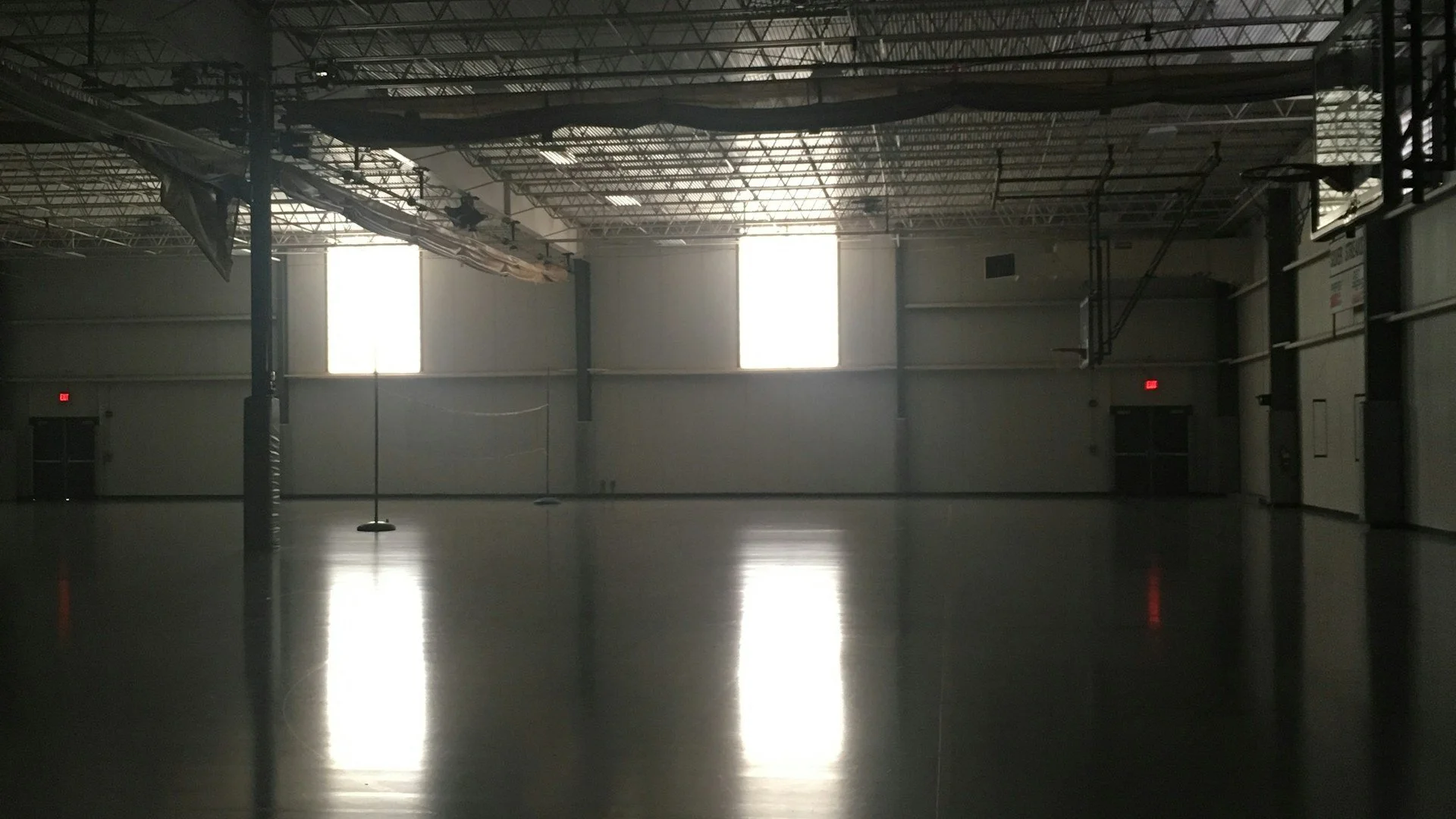
Same California address. Same “we need a COI” email. Completely different property conversation - depending on whether the space is an office or a warehouse.
For a lot of owners, tenants, and landlords, that distinction shows up late: after the lease is signed, after stock is on the floor, or after a property manager asks for certificate wording that assumes a use the policy never contemplated.
One problem: occupancy changes the questions
Commercial property insurance is not one generic “building policy” stamp. How the space is used - office suites versus warehousing, storage, light industrial, or shipping - usually changes what underwriters look at, what a landlord or lender may ask for, and what belongs on a certificate once coverage is in force (or on a clear bind path).
Treating every location like an office just because the lease says “commercial” is how gaps show up at the worst time.
A Farmers-safe answer (plain words)
At SDL Commercial Insurance (Samuel D Landers Agency - Farmers appointment), we start with how you actually use the space, then match that to what Farmers can usually place for the risk - not a copy-paste COI from a different occupancy.
What usually shows up when office and warehouse risks sit side by side:
Occupancy and use: desk work and client meetings vs storage, racking, forklifts, loading docks, or inventory turnover. The use description on the application should match the lease and the day-to-day operation.
Construction and protection: building type, sprinklers, alarms, and how open the floor plan is may affect how the risk is viewed (details depend on the building and the carrier appetite).
Contents / stock / equipment: office furniture and computers vs finished goods, raw materials, or specialized gear. Values and how stock is stored often matter more in a warehouse conversation.
Business income (BI): if a fire or covered loss shuts the space, how long can operations pause? Office and warehouse downtime stories can look very different.
Liability exposure tied to the premises: visitors in a front office vs truck traffic, vendors, and material handling in a warehouse environment. Premises liability questions often follow the foot (and forklift) traffic.
Certificate / landlord / lender asks: additional insured, waiver language, property limits, or rent/BI evidence. A certificate only reflects what is already in force (or bindable). It does not invent occupancy that is not on the policy.
None of this is a guarantee of terms. Availability and form language depend on the policy and the risk.
What to bring to the call
The lease (or lender) insurance exhibit - the actual pages
A plain-English use description: office, warehouse, mixed, light industrial, e-commerce fulfillment, etc.
Square footage, construction notes if you have them, and any sprinkler / alarm details you know
Rough contents / stock / equipment values (planning numbers are fine)
Who needs to be listed on a certificate, with exact legal names
Whether you already have an in-force policy we can write a certificate from
In force or not yet
Have an in-force policy we can write from? We issue the certificate from it, showing what that policy actually provides for this occupancy. If the ask does not match the use on the policy, we talk about that before anyone fills in a form.
No policy yet? Book first, bind path next, certificate after. A certificate is issued only from an in-force or bindable policy - never ahead of it.
Next step
Book a call → https://www.sdlcommercialinsurance.com/schedule?utm_source=blog&utm_medium=organic&utm_campaign=blog_sep29
Coverage Calculator (planning only, not a quote) → https://calculator.sdlcommercialinsurance.com/
Samuel D Landers | California Insurance License #4538988 | SDL Commercial Insurance | Samuel D Landers Agency
