
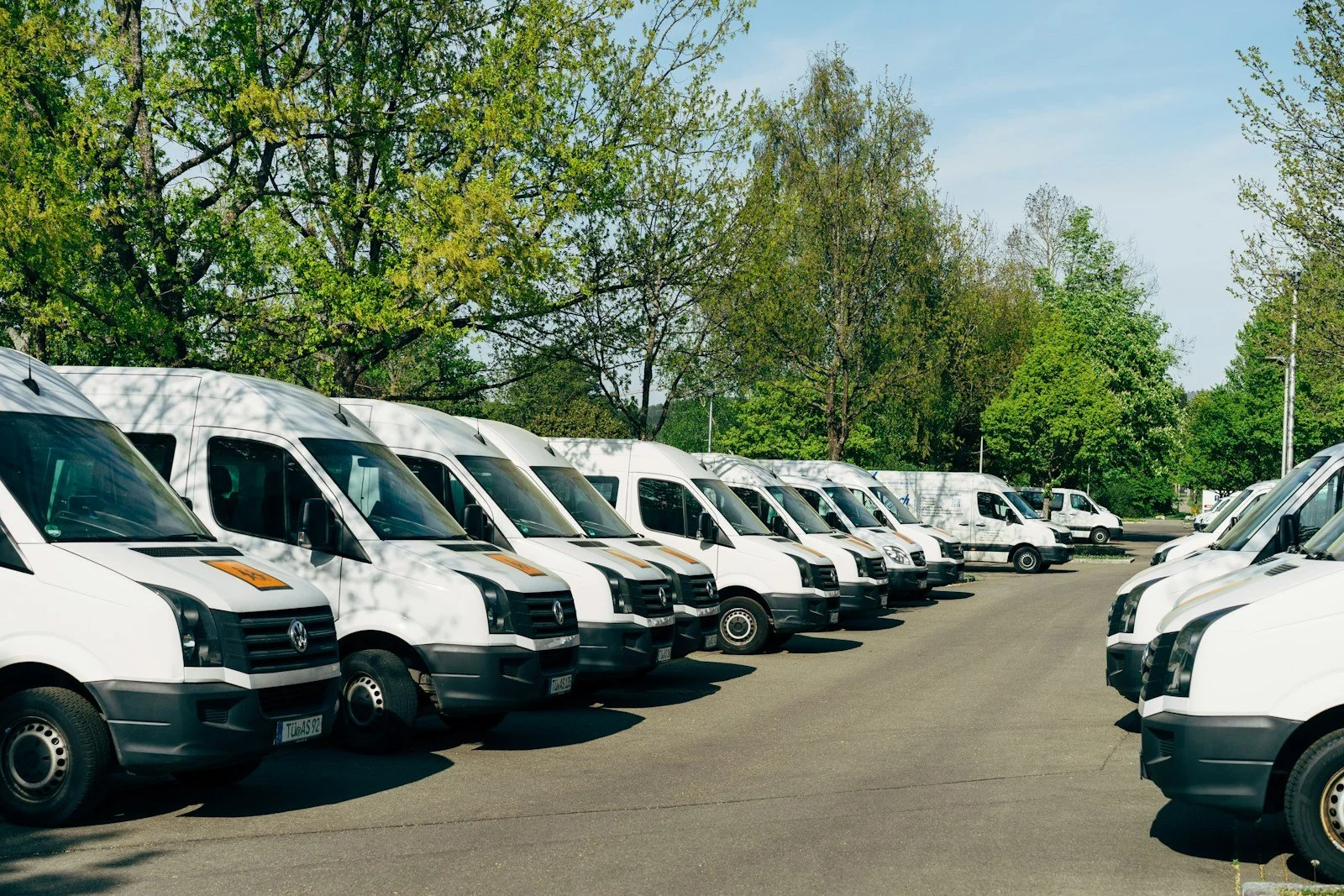
The work is there, the crew is growing, and one van is not enough anymore. For a lot of California artisan contractors — HVAC, electricians, flooring installers, landscapers, and plumbers — the second van or truck shows up fast: a used unit off a lot, a new financed van, or a truck a new hire brings over.
The insurance conversation often shows up later, usually when the dealer, lender, or a GC asks for proof.
One problem: a second vehicle is not just "one more line"
Adding a unit usually changes more than the vehicle schedule. Who drives, where the vehicles sleep at night, what they carry, and who has a financial interest in them can all shift once the business goes from one van to two (or more). Treating the new vehicle as a copy of the first one is how gaps show up at the worst time.
A Farmers-safe answer (plain words)
At SDL Commercial Insurance (Samuel D Landers Agency — Farmers appointment), we start with how the fleet actually runs, then match that to what Farmers can usually place for the risk.
What usually shows up when a contractor adds a second van or truck:
Scheduling the owned unit — year, make, model, VIN, and when it went into service. A vehicle the business owns generally needs to be described on the commercial auto policy the way the policy calls for, and timing matters when you pick it up.
The driver list — who drives which vehicle, and how often. A new hire, a helper who drives occasionally, or a family member who helps on weekends are all worth naming up front. Driver information is often a big part of how the risk is viewed.
How vehicles are used — service calls, hauling materials, towing a trailer, carrying ladders or equipment. Radius and use can look different for a second van than the first.
Where vehicles are garaged — the shop, a yard, or a crew member's home driveway. Garaging location is part of the application, and it can change when the second van goes home with a lead tech.
Lender or lease requirements — a financed or leased van often comes with the lender's own insurance terms, such as being listed as loss payee or additional insured, or physical damage coverage. Bring the finance or lease paperwork so we can read the actual requirement instead of guessing.
GC exhibit auto limits — general contractor insurance exhibits often list an auto liability limit and certificate wording. More vehicles and more jobs usually means more of those requests. The limit a GC asks for is a request, not automatically what the policy shows, so we compare the exhibit to the policy line by line.
None of this is a guarantee of terms. Availability, limits, and form language depend on the policy and the risk.
If the question is really about crew members driving their own cars to the job, that is a separate conversation. We covered it in Crew drives personal cars to the job — when Hired & Non-Owned Auto belongs in the talk.
What to bring to the call
Current commercial auto declarations and vehicle schedule, if you have a policy
Details on the new unit: year, make, model, VIN, purchase or lease date
Driver list: names, license information, and who drives which vehicle
Where each vehicle is parked overnight
Lender or lease insurance requirements (the actual pages)
Any GC insurance exhibit that lists auto limits or certificate wording, with the deadline
In force or not yet
Have an in-force policy we can write from? We issue the certificate from it. No policy yet? Book, bind, then certificate.
A certificate only shows what the policy already provides. It is never issued ahead of an in-force or bindable policy.
Next step
Book a call → https://www.sdlcommercialinsurance.com/schedule?utm_source=blog&utm_medium=organic&utm_campaign=blog_sep30
Coverage Calculator (planning only, not a quote) → https://calculator.sdlcommercialinsurance.com/
Or call (408) 876-7107
Samuel D Landers · California Insurance License #4538988 · SDL Commercial Insurance · Samuel D Landers Agency
