
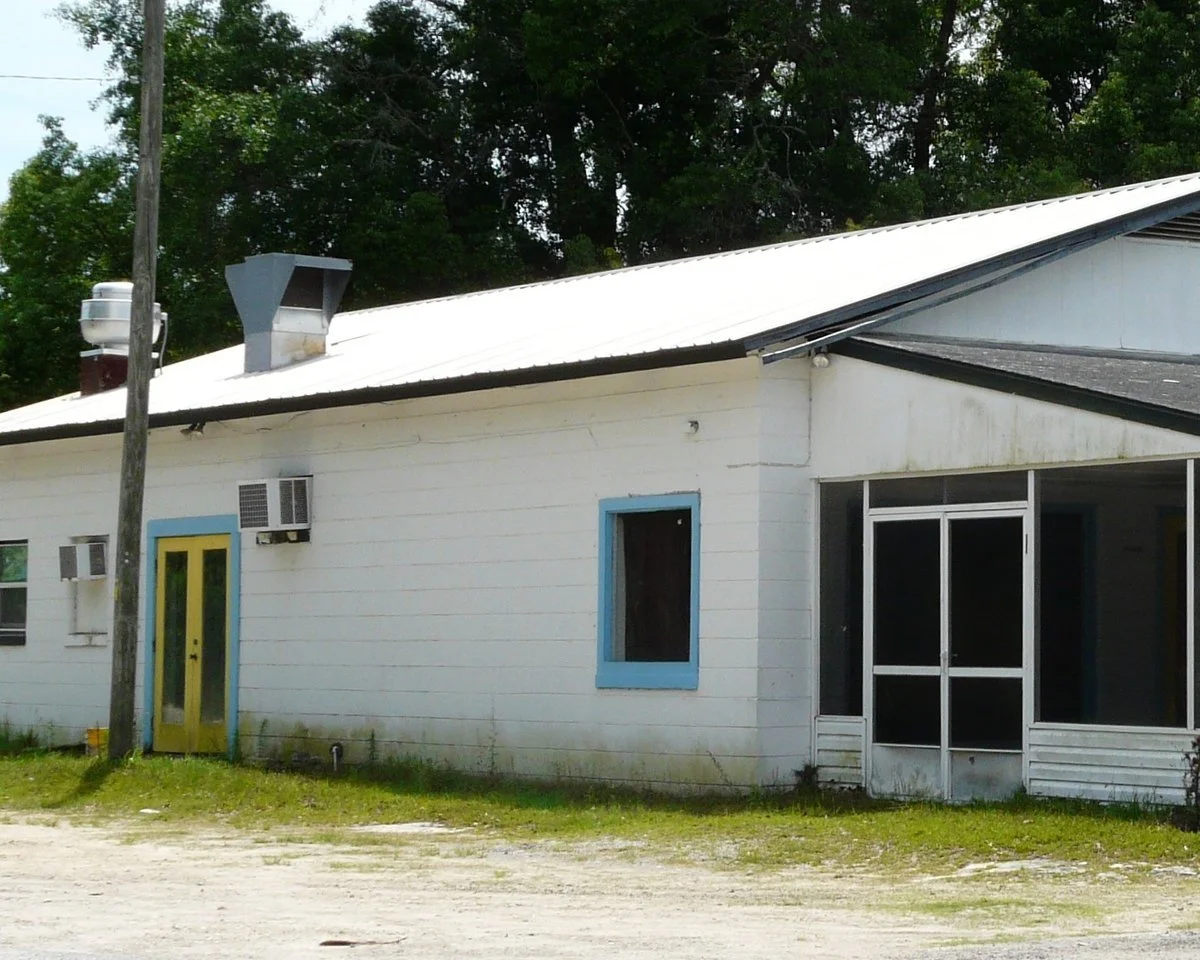
Photo: The Bushranger via Wikimedia Commons, CC BY-SA 4.0, cropped
Photo: The Bushranger via Wikimedia Commons, CC BY-SA 4.0, cropped
You own the building — sometimes through a separate LLC — and you also run the restaurant inside it. The lease conversation does not apply the same way it does for a tenant-only operator. Still, the building, the business property and the restaurant's liability usually sit in different places, depending on the policies and who owns what.
That is two conversations under one roof, and it is worth walking through both before renewal season, not after a loss.
Education only, not legal advice. What can be placed depends on the policy, the risk, and underwriting. We do not give legal or tax advice on entity structure.
One problem: owner-operator setups are easy to treat as one policy
Restaurant and café owners who also own their building often run the operating company and the real estate through different entities — or plan to. A few things can drift when nobody separates the sides:
- The building limit is treated as if it also covers the kitchen equipment, furniture and stock
- The restaurant's liability is assumed to automatically include the landlord-side obligations that come with owning the building
- Certificates for vendors, landlords-next-door or event partners never match which entity actually holds which policy
How the building, the business property and the restaurant's liability fit together depends on the policies and who owns what. Do not assume one declarations page covers every side.
If the question is only the building rebuild number, we covered building values separately in our post on commercial building values at renewal. This post is about owning the building and running the restaurant together.
A Farmers-safe answer (plain words)
At SDL Commercial Insurance (Samuel D Landers Agency, a Farmers appointment), we walk the building side and the operating side with you, then talk through what Farmers can usually place. Here is what usually comes up:
- Who owns what. Building entity vs operating entity (or both in one name). We note it to describe the risk; this is not legal or tax advice on how you structure ownership.
- The building. Construction, occupancy, rebuild thinking, and how the building policy is usually written when the same group also runs the restaurant.
- Business property inside. Kitchen equipment, furniture, improvements you made as the operator — often a different conversation from the shell.
- Restaurant liability. Customer injury, products, and related operating exposures, depending on the policy and the risk.
- Certificates. If a vendor, neighboring landlord or partner wants proof, see the certificate line below — and which entity's policy the request should match.
None of this is a guarantee of terms, rates or claim outcomes. We place Farmers products only; we do not shop other carriers.
What to bring to the call
- How title is held on the building and who runs the restaurant
- Current property and liability declarations, if you have them
- A rough sense of building rebuild thinking and major equipment values
- Any certificate requests tied to the location
Bring what you have. We sort the rest on the call.
In force or not yet
Have an in-force policy we can write from? We issue the certificate from it. No policy yet? Book, bind, then certificate. A certificate is issued only after coverage is bound and in force, never ahead of it.
Next step
Call (510) 673-3113
Tell us you own the building and run the restaurant — we will walk both sides.
Samuel D Landers · California Insurance License #4538988 · SDL Commercial Insurance · Samuel D Landers Agency
