
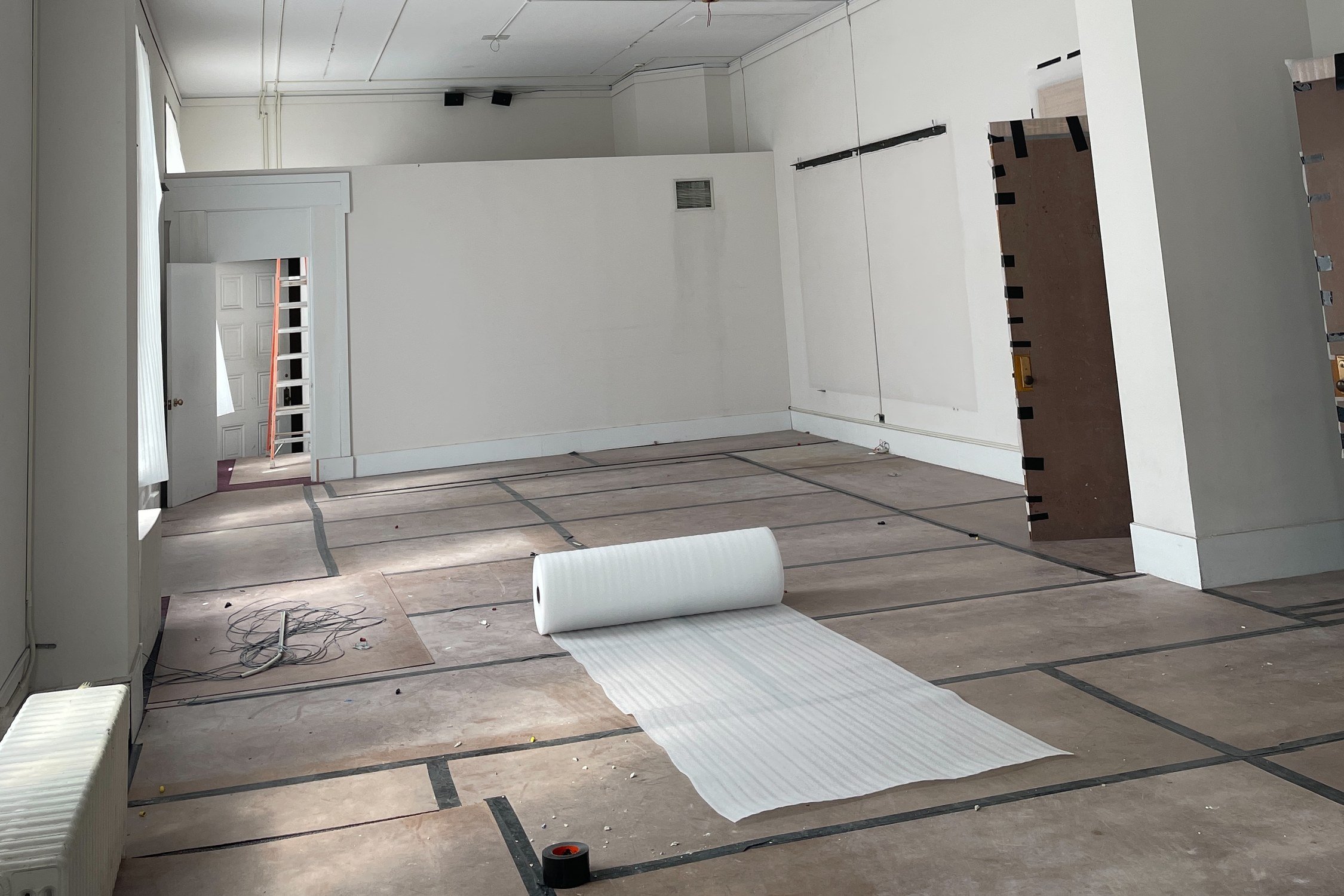
Photo: NPS via Wikimedia Commons, public domain, cropped
A tenant signs a five-year lease on your ground-floor suite. Before opening day they add new walls, a glass-front conference room, lighting, flooring and a kitchenette. The lease calls all of that "tenant improvements." A year later a pipe lets go overnight and the new build-out is soaked.
Now two policies are in the room: yours on the building, and the tenant's on their business. Which one is expected to respond to the build-out usually depends on what the lease says and how each policy is written. That is a conversation worth having before the loss, not after.
Education only, not legal or lease advice. What can be placed depends on the policy, the risk, and underwriting.
One problem: nobody read the insurance section of the lease together
Tenant improvements and betterments are the permanent changes a tenant pays for or helps pay for inside your space. Leases handle them in different ways, and the building policy and the tenant's policy often each pick up different pieces. A few things can drift when nobody compares notes:
- The lease says the tenant insures their improvements, but the tenant's policy limits were set before the build-out
- The lease says improvements become part of the building, but your building value was never updated to include them
- Who paid for the work, and who owns it at the end of the lease, is unclear to everyone
How a given policy treats improvements depends on its wording. What the lease requires is a question for your attorney, not your insurance agent.
If the build-out changes what the building would cost to rebuild, our post on building values at renewal walks through that side.
A Farmers-safe answer (plain words)
At SDL Commercial Insurance (Samuel D Landers Agency, a Farmers appointment), we start with your lease and your current property policy, then talk through what Farmers can usually place or update on the building side. Here is what usually comes up:
- Read the insurance section together. Who the lease expects to insure the building, the improvements and the tenant's own contents.
- What was built, and when. A short list of the build-out work and a rough cost, whether you paid, the tenant paid, or you split it with an allowance.
- Who owns it later. Whether the lease says improvements stay with the building at move-out.
- Your building value. If improvements become part of the building, whether your limit still reflects that.
- The tenant's side. You can ask the tenant to confirm with their own agent that their policy matches what the lease asks of them.
- Certificates. If the lease asks for proof of insurance, see the certificate line below.
None of this is a guarantee of terms, rates or claim outcomes. We place Farmers products only; we do not shop other carriers.
What to bring to the call
- The lease, or at least its insurance and improvements sections
- Your current property policy or declarations page
- A list of build-out work by suite, with rough costs and completion dates
- Any tenant allowance agreements
- Upcoming build-outs planned for the next year
Bring what you have. We sort the rest on the call.
In force or not yet
Have an in-force policy we can write from? We issue the certificate from it. No policy yet? Book, bind, then certificate. A certificate is issued only after coverage is bound and in force, never ahead of it.
Next step
Call (408) 876-7107
We can read the insurance side of the lease with you before the next build-out starts.
Samuel D Landers · California Insurance License #4538988 · SDL Commercial Insurance · Samuel D Landers Agency
