
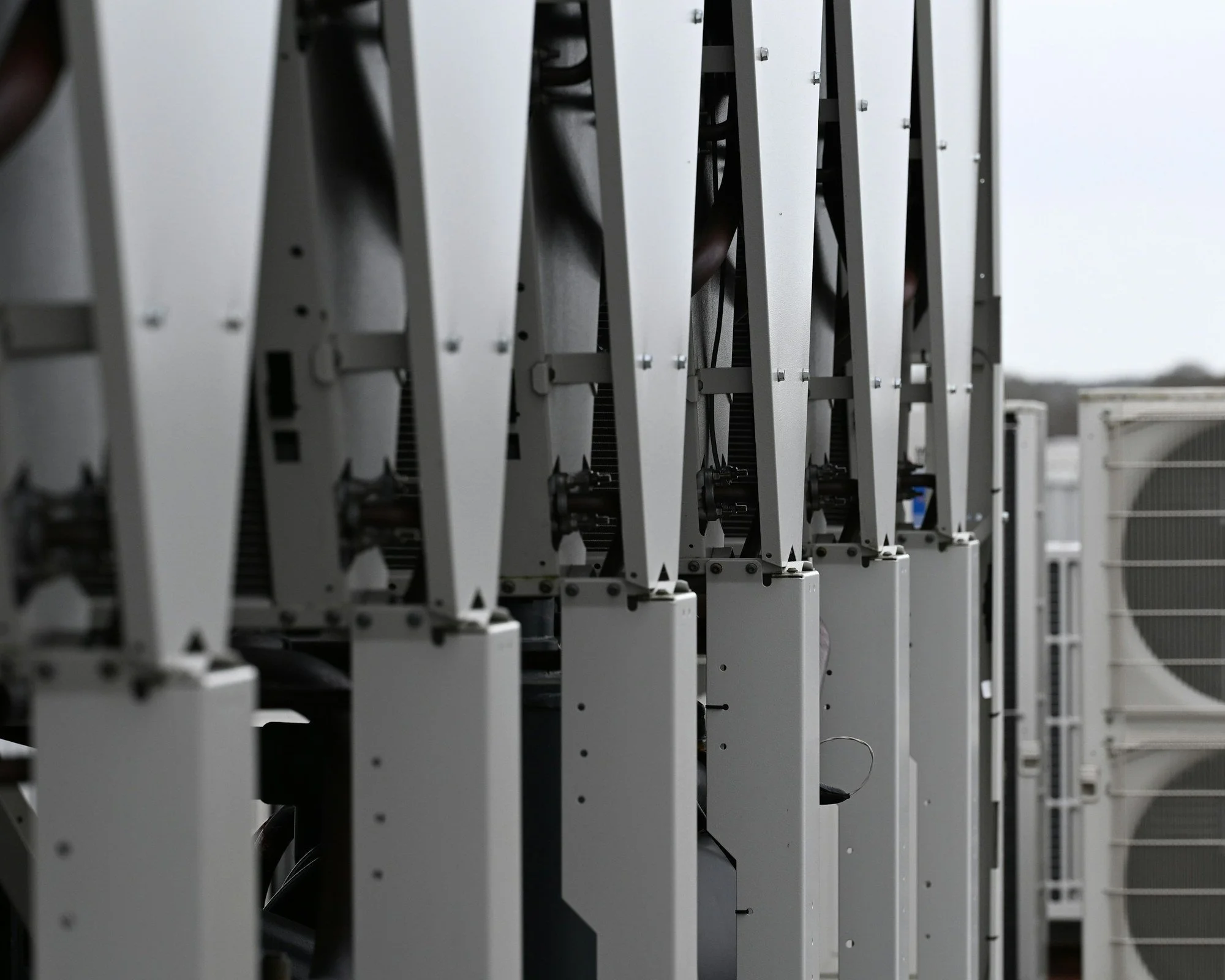
It is the first hot week of October, and the rooftop unit serving the second floor stops. No fire, no break-in, no storm. A compressor failed, a motor burned out, or a power surge took out a control board. Tenants are calling, the service tech is pricing a replacement, and someone asks the question facilities managers hear every year: is that covered?
For many Bay Area buildings, the honest answer starts with another question: what does the property policy say about mechanical and electrical breakdown? That is usually a separate conversation from fire or theft, and it is much easier to have before the unit quits than after.
Education only, not legal advice. What can be placed depends on the policy, the risk, and underwriting.
One problem: building systems fail from the inside
A commercial property policy is often built around outside events like fire, wind, theft and vandalism. Building systems can fail with no outside event at all:
Rooftop HVAC units, chillers and boilers
Electrical panels, switchgear and transformers
Elevators and their controls
Pumps, compressors and building automation equipment
When one of these breaks down on its own, how the loss is treated usually depends on whether equipment breakdown is part of the property coverage, and on the policy’s terms and exclusions. Normal wear and tear and skipped maintenance are generally a different matter from a sudden breakdown.
A Farmers-safe answer (plain words)
At SDL Commercial Insurance (Samuel D Landers Agency, a Farmers appointment), we start with what is actually on the roof and in the electrical room, then talk through what Farmers can usually place for that building. Here is what usually comes up:
An equipment list, even a rough one. Main systems, approximate age, and who services them. The building’s systems shape this conversation more than the square footage does.
Whether equipment breakdown is available for the building. On many property policies it is added coverage, not automatic. We confirm what is available on the Farmers policy for that building and what it would and would not address.
Replacement values. What would it take to replace the main units today, not what they cost when they went in? The Coverage Calculator works as a planning worksheet for building and equipment values. It is planning only, not a quote, a binder, or a rate.
What a shutdown does to tenants. If a failed unit closes a floor, tenant leases and the owner’s income can come into it. Business or rental income is its own part of the policy, and terms depend on how it is written.
Who owns which equipment. In multi-tenant buildings, a tenant may own a supplemental unit or a server-room system. Owners, managers and tenants each want to know whose policy is expected to respond. We read what you bring; we do not interpret leases as legal advice.
None of this is a guarantee of terms. We place Farmers products only; we do not shop other carriers.
What to bring to the call
Building address, size and year built
A list of major systems (HVAC, electrical, elevators, boilers) with rough ages
Recent service or maintenance records, if handy
Current property policy or renewal notice
Which tenants own their own units, if any
Planning numbers from the Coverage Calculator, if you ran it
Bring what you have. We sort the rest on the call.
In force or not yet
Have an in-force policy we can write from? We issue the certificate from it. No policy yet? Book, bind, then certificate. A certificate is issued only after coverage is bound and in force, never ahead of it.
Next step
Coverage Calculator (planning only, not a quote) → https://calculator.sdlcommercialinsurance.com/
Book a call → https://www.sdlcommercialinsurance.com/schedule?utm_source=blog&utm_medium=organic&utm_campaign=blog_oct15
Or call (408) 876-7107
Samuel D Landers · California Insurance License #4538988 · SDL Commercial Insurance · Samuel D Landers Agency
