
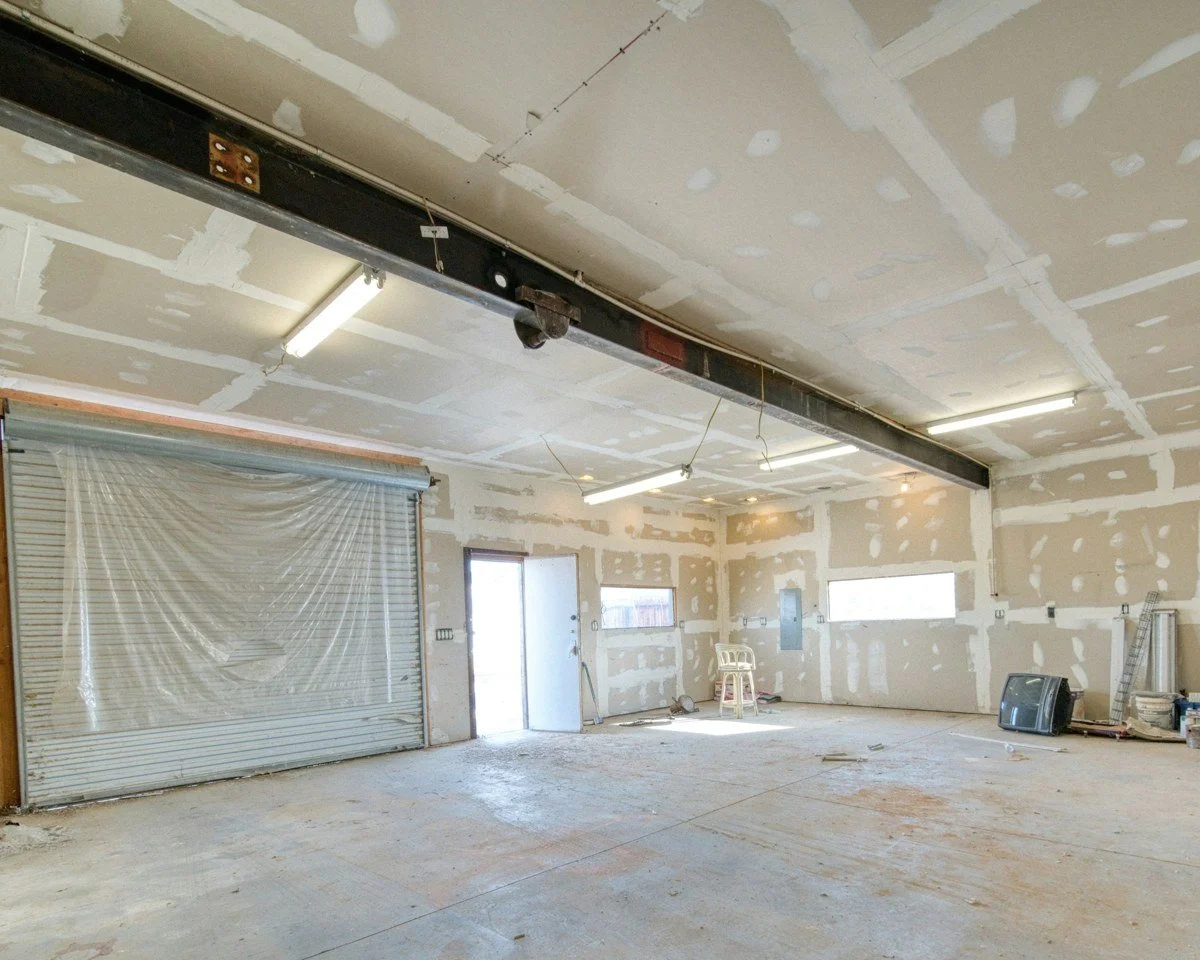
A small two-story building in the East Bay: a dental office downstairs, two small firms upstairs. A pipe fails over a weekend, or a kitchen fire next door sends smoke through the walls. Repairs will take a few months. The tenants can't work there, so depending on their leases, the rent may pause.
The mortgage payment doesn't pause. Neither do property taxes, the owner's insurance, or the common-area costs the tenants usually help cover. For a small building owner, a few months without rent can matter as much as the repair bill itself.
Education only, not legal, tax, or lease advice. What can be placed depends on the policy, the risk, and underwriting.
One problem: the repair gets paid for, the rent stops anyway
Most owners think about the building first: the roof, the walls, the cost to put it back. That part matters. But a covered loss usually has two sides for a landlord:
The physical damage to the building
The rent that stops coming in while the space can't be used
How that second part is handled depends on how the property coverage is written. Some policies include rental income or business income for the owner, some write it with limits or a waiting period, and some don't include it at all unless it was added. We already noted in older building, newer codes that code upgrades can stretch a rebuild, and a longer rebuild is a longer stretch without rent.
A Farmers-safe answer (plain words)
At SDL Commercial Insurance (Samuel D Landers Agency, a Farmers appointment), we start with the building and the leases, then talk through what Farmers can usually place for that property. Here is what usually comes up:
Your rent roll. Who the tenants are, what each pays, and roughly how much of the building's income each suite carries.
Whether and how rental income is written today. We look at your current policy with you and ask whether loss of rents or business income is on it, how the amount or time limit is set, and whether it is available on a Farmers policy for that building.
How long a rebuild could take. Permits, contractor schedules and code work can turn weeks into months. That timeline is the heart of this conversation.
What the leases say. Whether rent pauses during repairs is often in the lease. Your attorney or property manager is the right person to read those clauses; we bring what the policy says.
The costs that keep going. Mortgage, property taxes, insurance and common-area costs are worth listing so the conversation reflects your real numbers.
None of this is a guarantee of terms. Availability, limits, exclusions and conditions apply. We place Farmers products only; we do not shop other carriers.
What to bring to the call
Building address, size, and number of tenant suites
A current rent roll (tenant, suite, monthly rent)
Current property policy or renewal notice
Lease sections on repairs, rent abatement and insurance, if you have them handy
Rough monthly carrying costs (mortgage, taxes, CAM)
Notes from your property manager, if someone else runs the building
Bring what you have. We sort the rest on the call.
In force or not yet
Have an in-force policy we can write from? We issue the certificate from it. No policy yet? Book, bind, then certificate. A certificate is issued only after coverage is bound and in force, never ahead of it.
Next step
Book a call → https://www.sdlcommercialinsurance.com/schedule?utm_source=blog&utm_medium=organic&utm_campaign=blog_oct12
Or call (408) 876-7107
Samuel D Landers · California Insurance License #4538988 · SDL Commercial Insurance · Samuel D Landers Agency
