
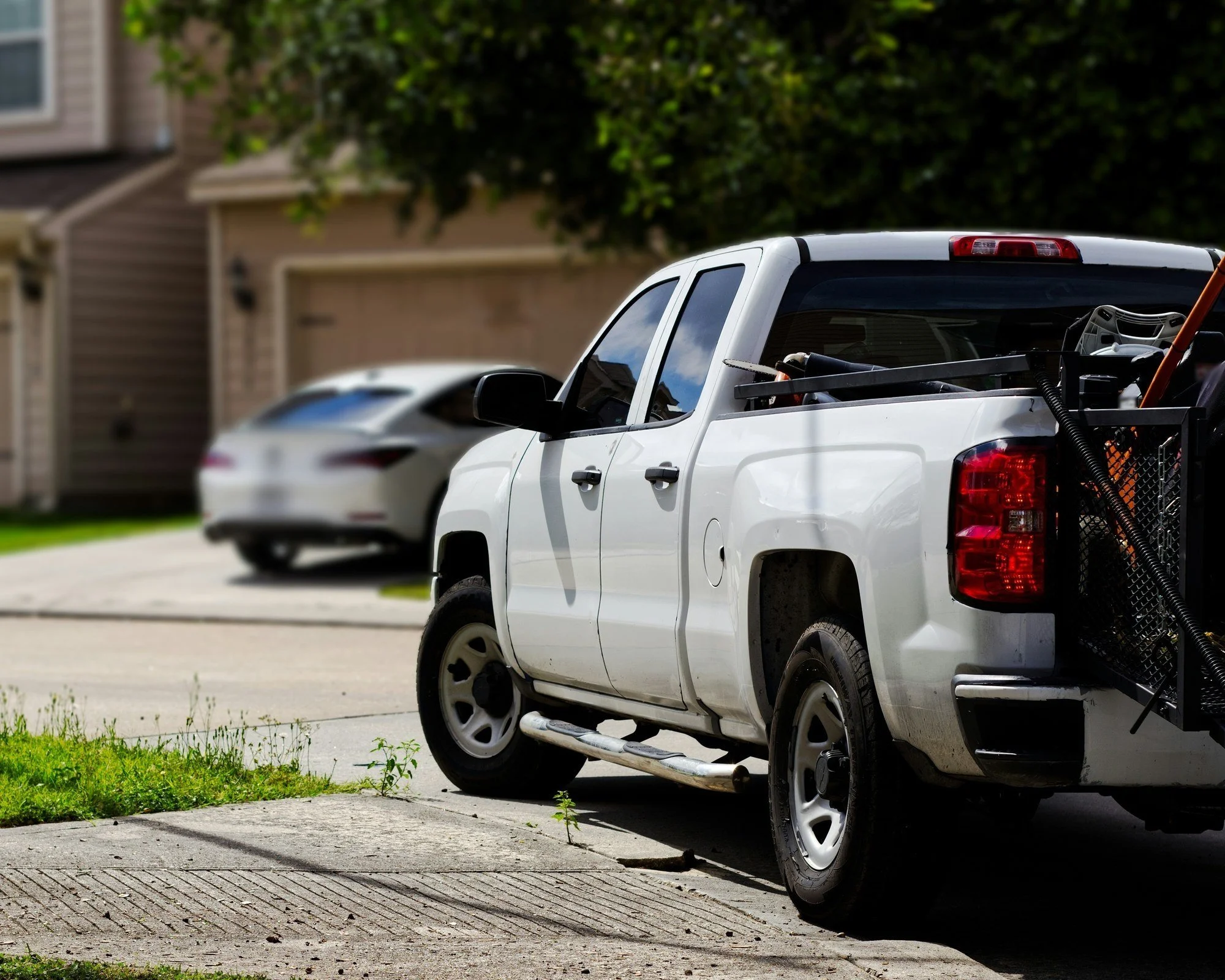
A Bay Area property management company looks after eleven buildings. One maintenance tech has a white pickup with a ladder rack, a few hand tools and a box of filters, and spends the day driving between a strip center, two small office buildings and a mixed-use block. The truck is so familiar that nobody thinks about it as a commercial auto risk until the renewal notice arrives, or a building owner asks whose policy the truck is on.
That question is worth answering before anything happens.
Education only, not legal advice. What can be placed depends on the policy, the risk, and underwriting.
One problem: the truck, the paperwork and the routine drifted apart
Maintenance vehicles at management firms often grow up informally. Over a few years, details like these can stop matching how the auto policy was written:
The truck was bought under one entity and the policy names another
It used to be parked at the office and now goes home with the on-call tech
A second tech or a part-time porter started driving it
It now runs to buildings in more cities than when the policy was set up
Staff sometimes run errands in their own cars instead
How a loss is handled can depend on who owns the vehicle, how it is listed, where it is garaged and who was driving, so it helps to line those up with the policy.
A Farmers-safe answer (plain words)
At SDL Commercial Insurance (Samuel D Landers Agency, a Farmers appointment), we start with the vehicles you actually run and how they are used, then talk through what Farmers can usually place for that risk. Here is what usually comes up:
Which entity owns each vehicle. The name on the title (the management company, a related LLC, or an owner personally) and the named insured on the auto policy should tell the same story. If they do not, we talk through how it is usually handled. For entity questions, check with your attorney or CPA.
Where each vehicle is garaged. The office, a building's lot, or a tech's home overnight. Garaging is part of how a commercial auto risk is viewed, depending on the policy.
Who drives. A current list of who drives which vehicle, including on-call and part-time staff, and a habit of telling us before someone new gets the keys.
How it is used. Driving between managed properties, supply runs, take-home and after-hours calls. Write down what you already allow so the description matches the day-to-day.
Staff in their own cars. That is a separate conversation. We covered it in crew drives personal cars to the job.
Tools and supplies that ride in the truck are usually a different question from the vehicle itself, so bring a rough list and we will talk about it separately.
None of this is a guarantee of terms. Availability, limits, exclusions and conditions apply. We place Farmers products only; we do not shop other carriers.
What to bring to the call
Management company name and entity type, plus any related LLCs that own vehicles
Vehicle list (year, make, model) with the name on each title
Where each vehicle is garaged overnight
Driver list, with who drives which vehicle most
Rough list of buildings served and how far apart they are
Current commercial auto policy or renewal notice
Bring what you have. We sort the rest on the call.
In force or not yet
Have an in-force policy we can write from? We issue the certificate from it. No policy yet? Book, bind, then certificate. A certificate is issued only after coverage is bound and in force, never ahead of it.
Next step
Book a call → https://www.sdlcommercialinsurance.com/schedule?utm_source=blog&utm_medium=organic&utm_campaign=blog_oct08
Or call (408) 876-7107
Samuel D Landers · California Insurance License #4538988 · SDL Commercial Insurance · Samuel D Landers Agency
