
Photo: HJUdall via Wikimedia Commons, CC0, modified
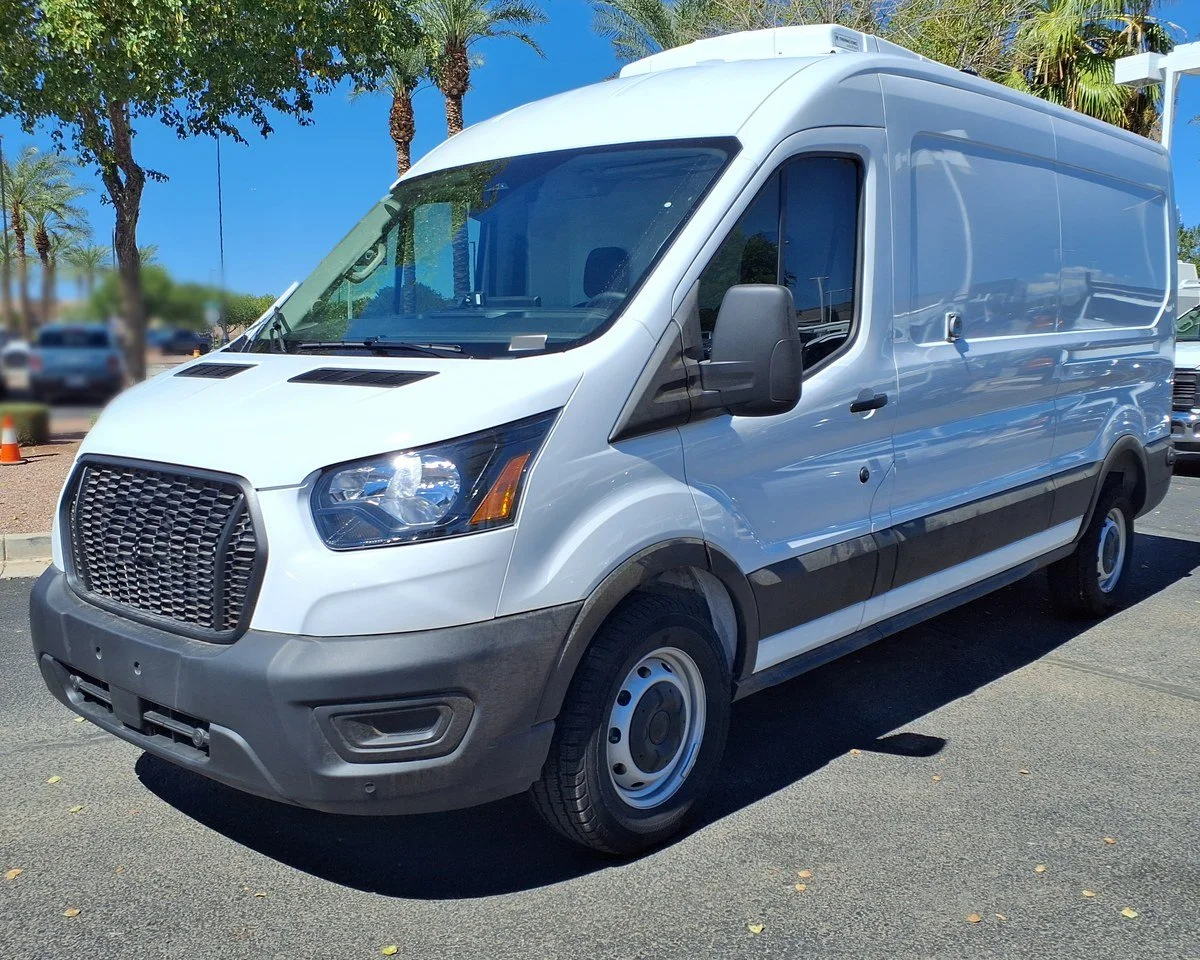
The old van finally went to the dealer in October. The new one has been running jobs for three weeks. And the policy still lists the old van, by VIN, and nothing else.
That kind of gap is common near year-end, when a lot of contractors and service businesses sell, trade in or replace work vehicles. It is also easy to fix, as long as someone tells the agent.
Education only, not legal or tax advice. What can be placed depends on the policy, the risk, and underwriting.
One problem: the auto schedule no longer matches the road
A commercial auto policy usually lists the vehicles it covers, often by year, make, model and VIN. When the fleet changes and the list does not, a few things can go wrong:
- A sold or traded vehicle stays on the policy after it is gone
- A replacement vehicle is on the road but not listed yet
- A truck parked for the season is treated the same as one driven every day, or has coverage pulled that it still needs while it sits
How a newly acquired or replacement vehicle is handled, and for how long, varies by policy. Do not assume it is picked up. Ask.
If you are adding a unit rather than swapping one, we covered that in our post on adding a second van. This post is about vehicles leaving, being replaced, or being parked.
A Farmers-safe answer (plain words)
At SDL Commercial Insurance (Samuel D Landers Agency, a Farmers appointment), we start with the vehicles you actually run today, then talk through what Farmers can usually place for that fleet. Here is what usually comes up when it changes:
- Sold or traded. The date it left and its VIN, so it can come off the policy. Keep the bill of sale. The DMV has its own paperwork when a vehicle is sold, separate from your policy.
- Replaced. The new vehicle's year, make, model, VIN and the date you took it, plus any lender or lessor on it.
- Parked or laid up. Where it sits and for how long. A parked truck can still face theft, fire or vandalism, so options depend on the policy and underwriting.
- Who drives what. If the new vehicle changes who drives it or how far it goes, say so.
- Certificates on file. If a customer or general contractor holds a certificate showing your auto coverage, ask whether they need an updated one after the change.
None of this is a guarantee of terms, rates or claim outcomes. We place Farmers products only; we do not shop other carriers.
What to bring to the call
- Your current commercial auto policy or declarations page
- For each vehicle leaving: VIN and the date it was sold, traded or parked
- For each vehicle coming in: year, make, model, VIN, date acquired and any lender or lessor
- Where vehicles are garaged and who drives them
Bring what you have. We sort the rest on the call.
In force or not yet
Have an in-force policy we can write from? We issue the certificate from it. No policy yet? Book, bind, then certificate. A certificate is issued only after coverage is bound and in force, never ahead of it.
Next step
Call (408) 876-7107
Samuel D Landers · California Insurance License #4538988 · SDL Commercial Insurance · Samuel D Landers Agency
