
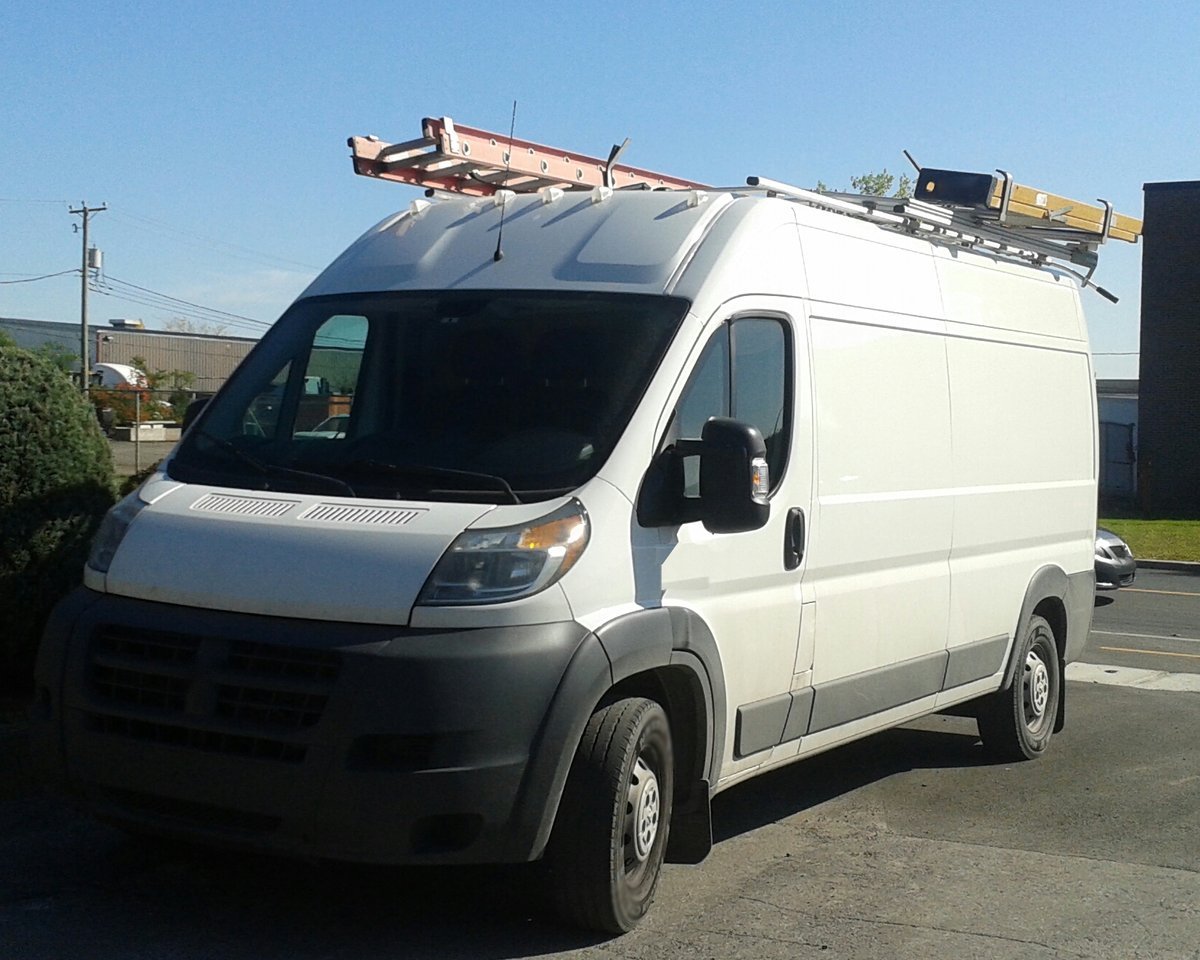
A plumber buys a used cargo van for about what a small car costs. Then the real spending starts: a ladder rack on the roof, steel shelving and parts bins down both sides, a bulkhead behind the seats, a power inverter, and maybe a lift gate on the box truck that hauls water heaters. By the time it rolls out to the first job, the van has thousands of dollars of equipment bolted to it.
Most owners think of that as part of the van. Whether the policy sees it the same way is a question worth asking before something happens, not after.
Education only, not legal advice. What can be placed depends on the policy, the risk, and underwriting.
One problem: the upfit never made it onto the paperwork
When a vehicle is added to a commercial auto policy, the conversation is usually about year, make, model, who drives it and where it is garaged. The upfit often gets added later, by a different vendor, and nobody mentions it to the agent.
- A ladder rack and shelving went in six months after the van was added
- A lift gate or crane was installed on a box truck or flatbed
- Interior buildouts (bins, drawers, inverters, lighting) were done piece by piece
- No one kept the invoices together, so nobody can say what the upfit cost
How permanently attached equipment is treated depends on the policy and how the vehicle is described on it. Some equipment may need to be listed or valued separately, and some may not be included at all. The only way to know is to look at your policy with your agent.
A Farmers-safe answer (plain words)
At SDL Commercial Insurance (Samuel D Landers Agency, a Farmers appointment), we start with what is actually on each vehicle, then talk through what Farmers can usually place for it. Here is what usually comes up:
- What is bolted on. Racks, shelving, bulkheads, lift gates, cranes, toolboxes, inverters and any custom body work, per vehicle.
- What it cost. Invoices or a rough figure for each upfit, and when it went in. That helps the conversation about how the vehicle and its equipment are valued.
- How it changes the vehicle. A lift gate, crane or heavy shelving can change the weight, the body type or how the vehicle is used. Those details can matter to how it is described on the policy.
- What rides inside. Tools, parts and stock you carry are usually a separate question from the vehicle and its attached equipment. We name it on the call so it does not get assumed.
- When to call. Before the next upfit goes in, or when you add a vehicle that already has one. We covered the rest of adding a unit in adding a second van.
Telling your agent about an upfit does not promise a particular rate or terms. It keeps the policy description closer to the vehicle you actually drive. None of this is a guarantee of terms. We place Farmers products only; we do not shop other carriers.
What to bring to the call
- Business name and entity type
- Vehicle list (year, make, model, body type) and where each one is garaged
- A list of upfits per vehicle, with invoices or rough costs and install dates
- Photos of the rack, shelving, lift gate or body work
- Driver list
- Current commercial auto policy or renewal notice
Bring what you have. We sort the rest on the call.
In force or not yet
Have an in-force policy we can write from? We issue the certificate from it. No policy yet? Book, bind, then certificate. A certificate is issued only after coverage is bound and in force, never ahead of it.
Next step
Book a call → https://www.sdlcommercialinsurance.com/schedule?utm_source=blog&utm_medium=organic&utm_campaign=blog_oct27
Or call (408) 876-7107
Samuel D Landers · California Insurance License #4538988 · SDL Commercial Insurance · Samuel D Landers Agency
